
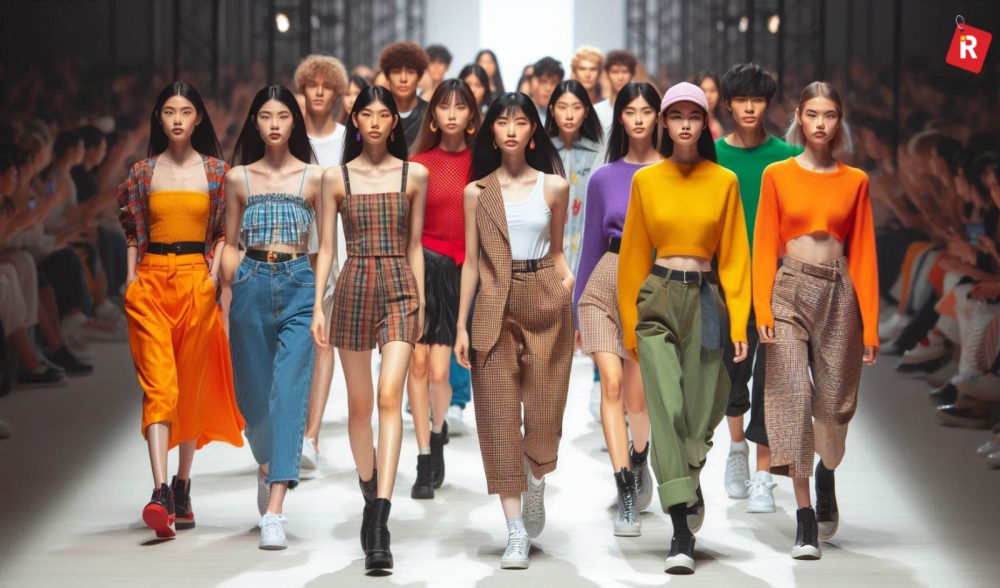

Fashion has always been more than just clothing. It reflects culture, identity, and the constant dialogue between tradition and modernity. From streetwear revolutions to luxury craftsmanship, fashion evolves with society, capturing moments in history and redefining how people present themselves to the world. Today, fashion is not only about style but also about sustainability, inclusivity, and personal expression.
Fashion as a Reflection of Society
Clothing choices often mirror social change. In post-war eras, minimalism and utility dominated wardrobes, while economic booms inspired bold designs and experimentation. Fashion acts as a timeline of society, showcasing shifts in values, technology, and lifestyles. For instance, the rise of digital platforms has transformed fashion into an instantly global phenomenon.
The Role of Identity in Fashion
Fashion enables individuals to express who they are or aspire to be. Subcultures such as punk, goth, or hip-hop used clothing as a way to challenge norms and build community. Today, the same principle applies, but with greater freedom of choice, allowing anyone to blend styles and craft a personal identity through clothing.
Sustainability in Modern Fashion
With climate change and ethical concerns gaining attention, sustainability has become central to the fashion conversation. Brands and consumers alike now focus on practices that reduce harm to the planet.
-
Eco-friendly materials: Organic cotton, bamboo fibres, and recycled textiles are replacing synthetics.
-
Circular fashion: Reselling, renting, and upcycling garments extend the lifecycle of clothing.
-
Transparent supply chains: Shoppers increasingly demand clarity on where and how their clothes are made.
Sustainability is not a passing trend but a reshaping of the industry’s values, signalling a cultural shift in how we view clothing consumption.
The Digital Influence on Fashion
Technology has revolutionised fashion in multiple ways. Online platforms and social media allow trends to spread globally within hours, while influencers redefine what it means to be fashionable. Augmented reality fitting rooms, AI-powered styling recommendations, and virtual catwalks are blurring the line between the physical and digital fashion worlds.
E-commerce and Accessibility
Shopping is no longer confined to physical boutiques. E-commerce platforms have made fashion accessible across borders, allowing small designers to compete with established houses. This democratisation has expanded choices for consumers while also challenging traditional retail.
The Globalisation of Style
Fashion has moved beyond cultural borders, creating a blend of influences from around the world. Traditional prints, fabrics, and techniques from different regions now appear in mainstream collections. This global exchange has created a richer, more diverse landscape but also raises debates on cultural appropriation versus appreciation.
Inclusivity and Representation
Representation in fashion has historically been limited, but the industry is shifting. Campaigns and runway shows increasingly feature diverse body types, ethnicities, and genders. Inclusivity is no longer optional; it’s essential for authenticity and connection with audiences.
Body Positivity Movement
The push for body positivity has encouraged brands to create extended size ranges and feature models who reflect real-world diversity. This is reshaping how fashion communicates beauty and self-worth.
Fashion Trends: Past and Present
Fashion is cyclical, often reviving past styles with a modern twist. Vintage clothing has gained popularity, reflecting nostalgia as well as sustainability.
-
Y2K revival: Low-rise jeans, crop tops, and bold colours are returning.
-
Minimalism: Clean lines and neutral palettes continue to appeal to those seeking simplicity.
-
Streetwear dominance: Once niche, streetwear now influences luxury fashion, merging comfort with high design.
Fashion as an Art Form
Beyond practicality, fashion is artistry. Designers use fabrics as canvases to tell stories, experiment with structure, and challenge conventional aesthetics. Haute couture, in particular, showcases this fusion of craftsmanship and imagination, turning garments into wearable art.
Future of Fashion
The future points towards a balance between creativity and responsibility. Sustainable innovation, technological integration, and cultural inclusivity will guide the next chapters of fashion. Whether through 3D-printed garments, digital-only collections, or hyper-local craftsmanship, fashion will continue to evolve while maintaining its role as a central form of human expression.
FAQs on Fashion
What is the difference between fashion and style?
Fashion refers to the trends and collective movements in clothing, while style is personal and reflects how an individual expresses themselves through what they wear.
Why does fashion repeat itself?
Fashion repeats due to nostalgia, cultural cycles, and reinterpretation of past designs for modern tastes. Designers often draw inspiration from earlier decades.
How is technology shaping fashion shopping?
Technology enables virtual fitting rooms, AI-driven recommendations, and even augmented reality experiences that make online shopping more personalised and interactive.
Is sustainable fashion affordable?
While sustainable fashion can sometimes be more expensive due to ethical production costs, practices like second-hand shopping, renting, and upcycling make it more accessible.
What role does fashion play in cultural identity?
Fashion often incorporates traditional symbols, textiles, and craftsmanship, serving as a way for individuals to connect with and celebrate their cultural heritage.

Comments are closed.