
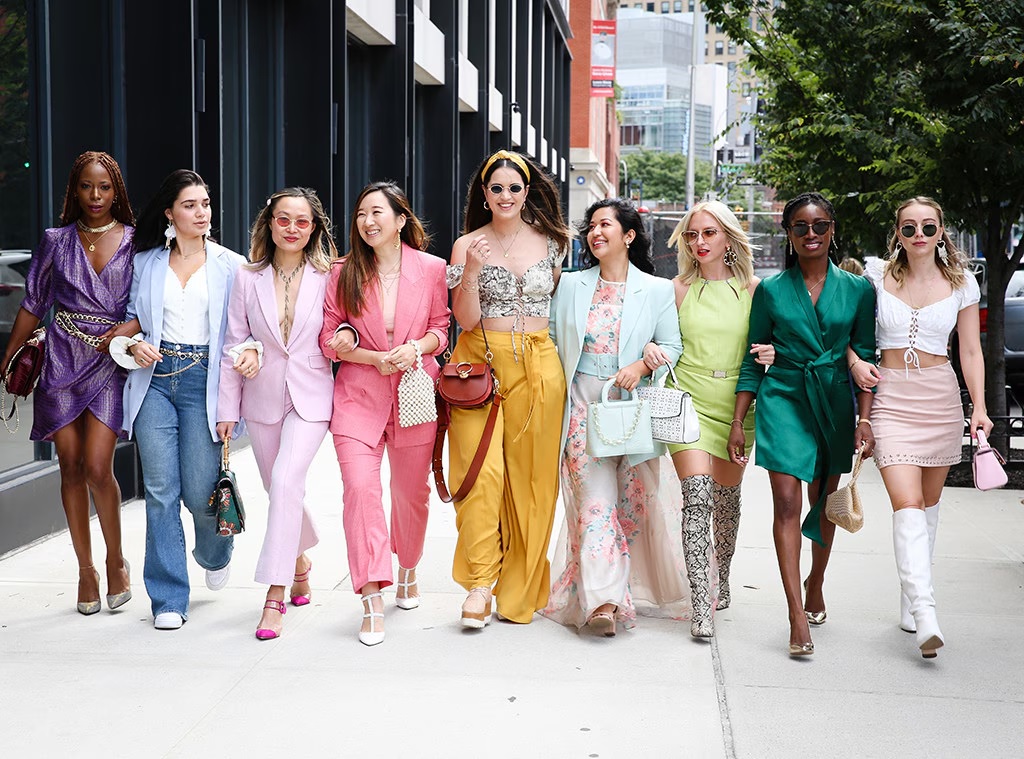

Fashion is one of the most powerful forms of self-expression. It combines creativity, culture, and innovation, influencing how people perceive themselves and others. From haute couture to everyday streetwear, fashion has always been more than fabric and stitching; it is storytelling woven into every garment. Over the decades, the industry has transformed dramatically, reflecting wider social changes and technological progress.
Fashion and Cultural Identity
Fashion plays a vital role in cultural identity. Clothing often communicates heritage, values, and belonging. Traditional garments like the Scottish kilt, the Indian sari, or the Japanese kimono demonstrate how fashion connects people to their roots. In modern society, cultural influences frequently merge, creating a global exchange of ideas through fabric and design.
Subcultures and Expression
Youth subcultures throughout history have relied on fashion as a defining tool. For example:
-
Punk used ripped clothing and safety pins to rebel against mainstream norms.
-
Hip-hop adopted oversized streetwear to symbolise confidence and community.
-
Goth culture embraced black clothing and dramatic silhouettes to express individuality.
These examples prove fashion’s ability to act as a voice for movements that might otherwise remain unheard.
The Role of Innovation in Fashion
Fashion thrives on innovation. Advances in technology continue to reshape how designers create and how consumers shop.
-
3D printing allows garments to be made with minimal waste.
-
Smart textiles incorporate sensors and adapt to temperature or activity.
-
Virtual catwalks and digital clothing lines let fashion exist purely online, reducing environmental impact.
These breakthroughs highlight how fashion adapts to modern needs while still inspiring creativity.
Sustainability and Responsibility
Sustainability is no longer a choice; it is a necessity for the future of fashion. With growing concerns about waste and pollution, the industry is under pressure to adopt eco-conscious practices.
-
Recycling and upcycling give new life to discarded materials.
-
Slow fashion encourages consumers to buy fewer, higher-quality items.
-
Local production reduces carbon footprints and supports communities.
This shift is transforming the way people shop and forcing brands to rethink their responsibilities.
Fashion in the Digital Age
The rise of digital platforms has revolutionised the fashion landscape. Social media platforms are no longer just spaces for sharing; they are now key engines of trend creation. Influencers and online communities have more influence than traditional fashion editors once did.
E-commerce and Accessibility
E-commerce has broken down barriers, making fashion more inclusive and accessible worldwide. Independent designers can now reach global audiences, and shoppers enjoy unprecedented convenience and choice.
Inclusivity and Diversity in Fashion
The fashion industry has historically promoted narrow standards of beauty, but recent years have seen a movement towards inclusivity.
-
Body positivity has expanded size ranges and normalised diverse body types.
-
Gender-fluid fashion is challenging traditional labels of menswear and womenswear.
-
Representation on runways ensures people of all ethnicities and backgrounds see themselves reflected.
This inclusivity signals a long-awaited change in how fashion represents society as a whole.
The Cyclical Nature of Trends
One of fashion’s most fascinating qualities is its cyclical nature. Trends from past decades frequently return, reinvented for a modern audience. The resurgence of Y2K fashion, wide-leg jeans, and vintage handbags demonstrates how nostalgia drives consumer demand.
Balancing Past and Future
While trends resurface, they often incorporate contemporary elements such as sustainable fabrics or digital designs, blending history with modern values.
Fashion as an Art Form
Fashion should also be recognised as art. From intricate embroidery to avant-garde runway pieces, fashion designers are creators who translate imagination into reality. Haute couture is particularly known for its artistry, where craftsmanship and vision collide to produce one-of-a-kind pieces.
The Future of Fashion
Looking ahead, the industry is expected to focus on ethical production, digital innovation, and personalised experiences. From AI-driven styling to biodegradable fabrics, fashion’s future lies in merging creativity with responsibility. What remains constant, however, is its role as a universal form of communication and identity.
FAQs on Fashion
What makes fashion different from clothing?
Clothing refers to garments worn for necessity, while fashion adds elements of style, creativity, and cultural influence.
Why do old fashion trends return?
Old trends return due to nostalgia, cultural cycles, and designers reinterpreting classic styles with a modern twist.
How does fashion influence confidence?
Wearing clothes that align with personal identity often boosts self-esteem and creates a stronger sense of individuality.
Can digital fashion replace physical fashion?
While digital fashion is growing, especially in gaming and social platforms, it is more likely to complement rather than replace physical clothing.
What is slow fashion?
Slow fashion promotes conscious shopping by encouraging consumers to invest in high-quality, long-lasting garments instead of fast-changing trends.

Comments are closed.