
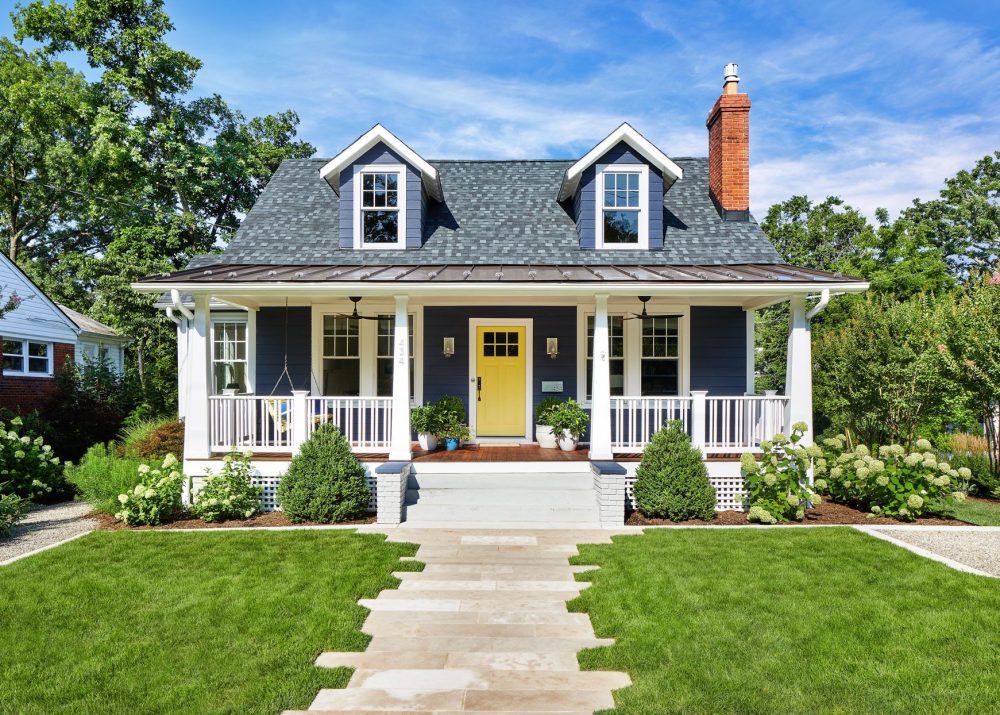

Home is not just a physical structure; it is a sanctuary that nurtures wellbeing, offers comfort, and strengthens relationships. While styles, sizes, and locations may differ, the essence of home remains universal. It is where people create memories, find rest, and express individuality. Understanding the deeper value of home helps in creating a space that enhances both lifestyle and happiness.
The True Essence of Home
A home represents safety, warmth, and familiarity. It is a place to retreat after challenges and celebrate achievements. Unlike a temporary stay, home provides a consistent sense of belonging that anchors people in both good and difficult times.
Emotional significance
A home is closely linked with personal identity. The design choices, decorations, and even scents within a home reflect personality and values. For many, returning home feels like reconnecting with self and family.
Everyday practicality
While emotions are vital, the functionality of a home is equally important. From storing belongings to offering space for daily tasks, a home serves as the foundation for routines and habits that shape life.
Characteristics That Define a Comfortable Home
Design and aesthetics
Good design ensures that a home feels inviting. Lighting, colour schemes, furniture arrangement, and décor play key roles in creating comfort. Even small adjustments, such as adding cushions or natural light, can transform a space.
Function and flow
Practicality enhances comfort. Homes with efficient layouts make it easy to cook, work, and relax without obstacles. Storage solutions that minimise clutter and multi-purpose rooms that adapt to needs are examples of effective home design.
Personal touches
What makes a home unique is personalisation. Items such as family photos, art, and treasured books give character to a property. These touches bring familiarity and warmth, making it more than just a building.
Location and Its Influence
The value of a home is often shaped by where it is located. Access to services like schools, healthcare, and shops improves convenience. A calm suburban street may bring peace, while a central city apartment offers energy and opportunities. Choosing the right location is as important as choosing the property itself.
Current Trends in Home Living
Modern homes are evolving with changing lifestyles and technology.
-
Smart features: Devices that control temperature, security, and lighting increase efficiency and comfort.
-
Sustainable living: Homes are now designed with eco-friendly materials, renewable energy, and water-saving systems.
-
Adaptable spaces: With more people working from home, dedicated offices and flexible layouts are becoming essential.
-
Outdoor integration: Balconies, terraces, and gardens are prioritised for relaxation and recreation.
Building a Healthy Home Environment
A healthy home promotes both physical and mental wellbeing. Adequate ventilation, access to sunlight, and organised spaces reduce stress and encourage productivity. Adding plants, using calming colours, and reducing noise also contribute to a healthier lifestyle.
Safety considerations
Home security is crucial. Strong locks, alarms, and well-lit surroundings provide peace of mind and protect residents.
Mental wellbeing
An uncluttered home supports mental clarity. Regular cleaning, decluttering, and mindful organisation help create a stress-free environment.
Homes Around the World
Different cultures express the meaning of home in varied ways. English countryside cottages focus on charm and tradition, while Scandinavian homes highlight minimalism and natural light. Urban apartments maximise limited space with smart storage and modern design. Despite differences, the purpose remains the same: creating a haven for comfort and belonging.
Financial Aspects of Homeownership
A home is one of the largest investments in life. Beyond the purchase, ongoing expenses such as repairs, energy costs, and upgrades require planning. Viewing a home as both a financial asset and a lifestyle choice helps balance long-term security with daily comfort.
Renting versus owning
-
Renting offers flexibility and fewer responsibilities but less control.
-
Owning provides stability and builds value over time but requires significant financial commitment.
The Role of Home in Family Life
Every room within a home carries meaning. The kitchen fosters connection over meals, the living room supports social interactions, and bedrooms provide essential rest. These roles shape family routines and help create lasting bonds.
The Future of Home Design
The homes of tomorrow will be smarter, greener, and more adaptable. With increasing urbanisation, compact living will require creative layouts. At the same time, demand for energy efficiency will drive the adoption of solar energy, recycled materials, and advanced insulation.
Frequently Asked Questions
How can I make my home feel cosier?
Use warm lighting, soft furnishings, and layered textures. Adding rugs, throws, and candles creates an inviting atmosphere.
What are affordable ways to improve a home?
Painting walls, rearranging furniture, and adding indoor plants are cost-effective methods that make a noticeable difference.
Why is natural light important in a home?
Natural light improves mood, reduces reliance on artificial lighting, and highlights interior features, making a space feel open and welcoming.
How can technology make my home safer?
Smart locks, cameras, and alarm systems provide real-time monitoring and control, ensuring greater protection.
What are some tips for maintaining an organised home?
Regular decluttering, designated storage for items, and daily tidying routines help prevent mess from building up.

Comments are closed.