

Introduction to Shopping
Shopping has always been more than just acquiring goods; it reflects lifestyle, culture, and personal choices. Whether browsing through a bustling high street, navigating a local market, or exploring an online store, shopping involves a blend of decision-making, budgeting, and satisfaction. In today’s fast-moving consumer world, shopping is not only about what we buy but also how we buy it.
Understanding Modern Shopping Behaviour
The way people shop has dramatically changed. Technology, social trends, and consumer awareness have shifted the shopping landscape.
Factors Influencing Shopping Decisions
-
Price Sensitivity: Many buyers actively compare prices before making a purchase.
-
Convenience: Online shopping has surged because it saves time and effort.
-
Sustainability: More shoppers are now concerned about eco-friendly packaging and ethical sourcing.
-
Personalisation: Recommendations based on previous purchases influence decision-making.
Types of Shopping Experiences
High Street Shopping
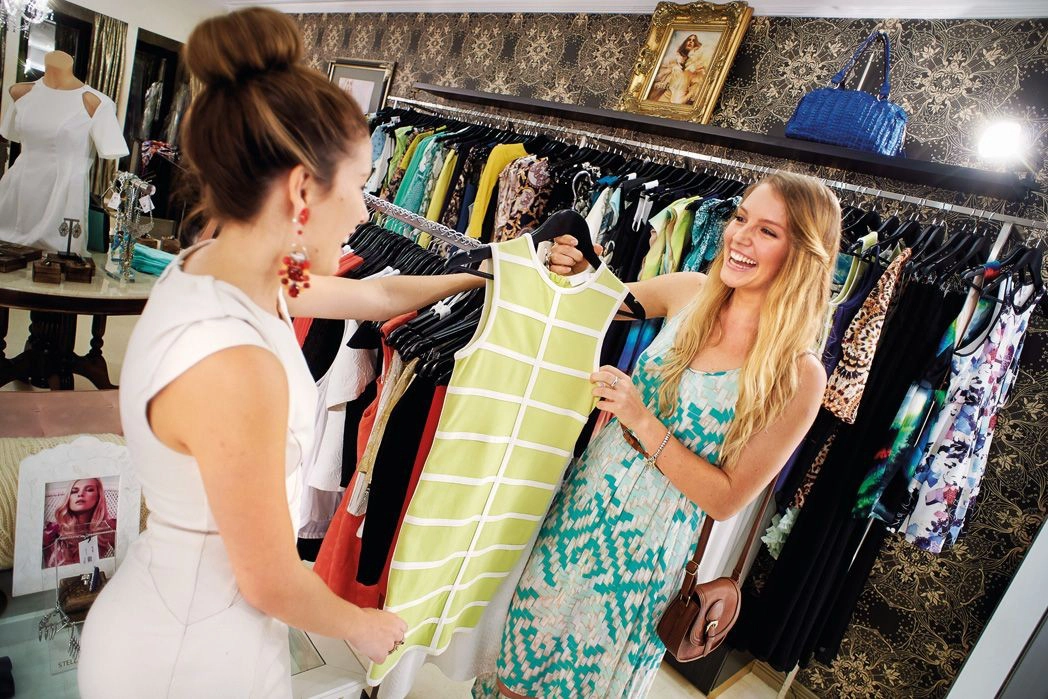
Traditional high street shopping offers an engaging and tactile experience. Customers can feel fabrics, try on clothes, or inspect products before making a purchase. It also supports local businesses and creates a sense of community.
Online Shopping
Online shopping provides 24/7 access, greater product variety, and the ability to shop from home. It has grown rapidly due to mobile apps and secure payment gateways.
Market Shopping
Local markets bring together fresh produce, artisan goods, and unique finds. Many people prefer markets for quality items at competitive prices.
Luxury Shopping
High-end shopping is about exclusivity and brand identity. It is less about necessity and more about lifestyle and prestige.
Smart Shopping Strategies
Being a savvy shopper requires planning, patience, and awareness.
Budgeting and Planning
-
Set a spending limit before entering a store or browsing online.
-
Make a list to avoid impulse purchases.
-
Track expenses using apps or journals.
Price Comparison
-
Use price comparison websites or apps.
-
Check for seasonal sales and discount codes.
-
Consider buying in bulk for better value.
Shopping for Quality
-
Invest in durable products rather than cheap alternatives.
-
Research brands known for reliability.
-
Check reviews and ratings before purchase.
Timing Matters
-
Major sales events, such as January sales or Black Friday, often provide significant savings.
-
Off-season shopping for clothing and holidays often guarantees discounts.
The Psychology of Shopping
Shopping is not purely practical; emotions and psychological triggers play a role.
Impulse Buying
Retailers use strategies like eye-catching displays and time-limited offers to trigger quick decisions.
Brand Loyalty
Many shoppers trust certain brands due to consistent quality or emotional connections.
Retail Therapy
Some people shop to relieve stress or boost mood, even if purchases are not essential.
The Future of Shopping
Shopping trends continue to evolve, driven by technology and changing expectations.
Digital Integration
Virtual reality fitting rooms and AI-driven personal shoppers are becoming mainstream.
Sustainable Choices
Reusable packaging, second-hand platforms, and eco-friendly products are gaining traction.
Subscription Services
From groceries to fashion, subscription models provide convenience and cost predictability.
Real-Life Shopping Tips
-
Always check the return policy before purchasing, especially online.
-
Sign up for loyalty programmes to access exclusive offers.
-
Shop during weekday mornings to avoid crowds.
-
For expensive items, wait 24 hours before buying to avoid regret.
Frequently Asked Questions (FAQ)
How can I avoid overspending when shopping?
Create a strict budget, carry limited cash when shopping offline, and remove stored card details online to prevent impulse buys.
Is online shopping safer than in-store shopping?
Both have risks, but online safety depends on using secure websites and payment methods. In-store safety revolves around protecting your personal belongings.
What is the best time to shop online?
Late evenings and weekdays often offer better discounts as demand is lower, and retailers may push flash sales.
Should I prioritise brand names or generic products?
It depends on the product. For essentials like medicines, brand assurance may be crucial. For everyday goods, generic versions can be equally reliable and more affordable.
How can I shop sustainably?
Opt for reusable bags, support ethical brands, and choose long-lasting items over disposable ones.
Is luxury shopping worth it?
Luxury shopping is more about experience and prestige rather than necessity. It is worth it if the purchase aligns with your values and financial comfort.

Comments are closed.